
How does a simple inkstone reflect the Confucian ideal of a “Junzi” (Gentleman)? Explore the philosophy behind traditional Chinese scholar’s objects.
What is a Junzi?
In The Analects, Confucius describes the ideal human being as a “Junzi” (君子) – often translated as a gentleman or a person of noble character. A Junzi is someone who pursues knowledge, acts with integrity, and remains calm under pressure.
Philosophy Carved in Stone
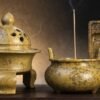
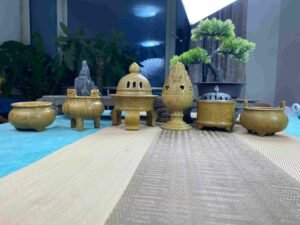
Scholar’s objects like the inkstone are not just tools; they are daily reminders of this philosophy. The act of grinding ink is a slow, deliberate process that requires patience and focus. It forces the scholar to pause, settle the mind, and prepare for deep thought. The weight and stability of a Nishan stone inkstone remind the user to remain grounded.
Tian Ren He Yi (天人合一)
The ultimate goal in traditional Chinese aesthetics is harmony between nature and human effort. Our artisans practice this by following the natural shape and dark veins of the Nishan stone. Instead of forcing the stone into a rigid, artificial form, they carve the landscapes and figures around the stone’s natural patterns. By owning such a piece, you bring the harmony of nature into your study.
Add comment